


PRP Therapy in Miami
Platelet-rich plasma, or PRP, uses concentrated components from your own blood to support the body’s repair response. At Karli Health, PRP preparations can be customized to target a specific platelet concentration or total platelet dose based on each patient’s needs.

What Is PRP Therapy?
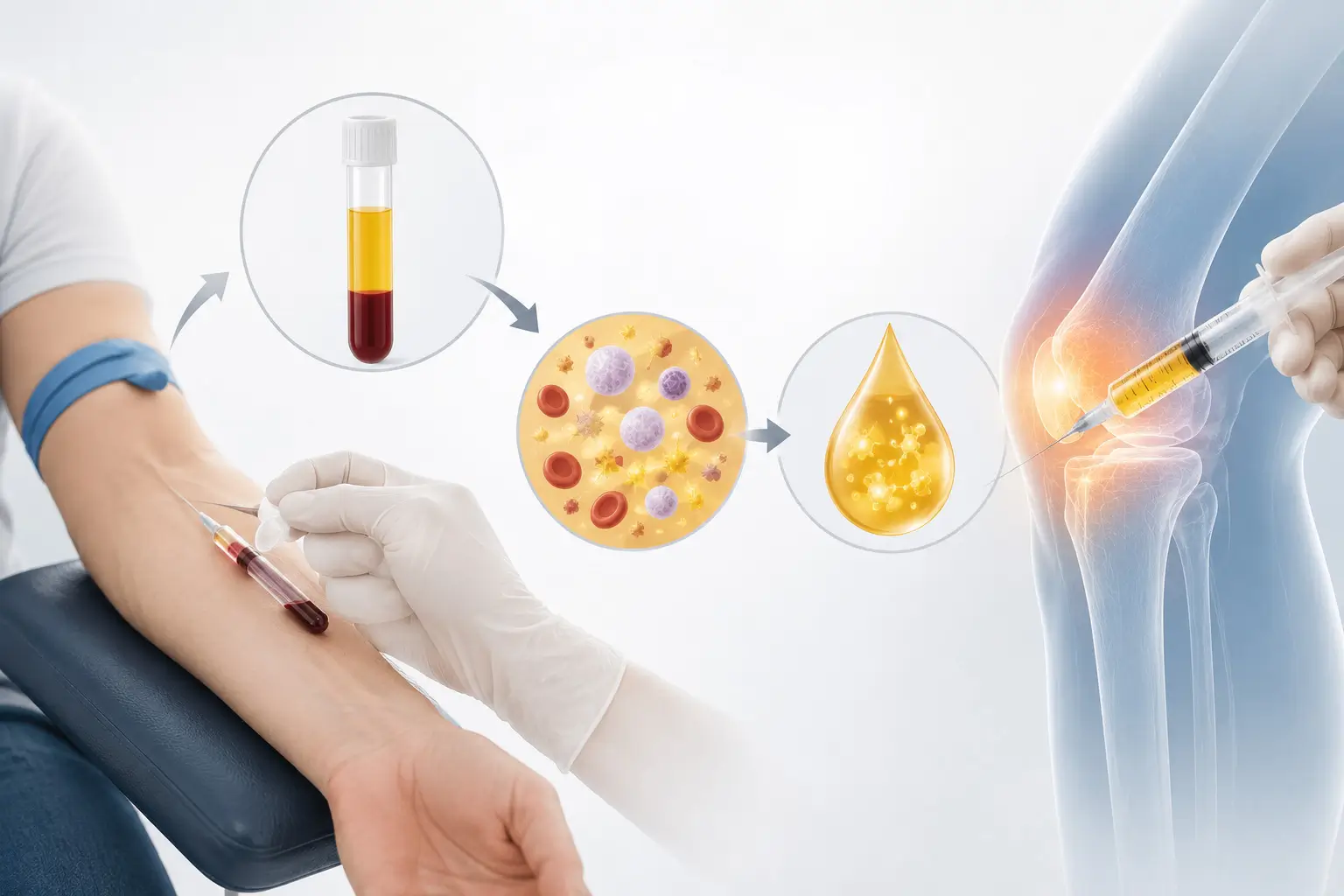
Platelet-rich plasma is created from a small sample of the patient’s own blood. The blood is processed to separate and concentrate key components, including platelets and, when appropriate, white blood cells. These components release proteins and signaling factors involved in the body’s healing and repair response.
How PRP Is Created
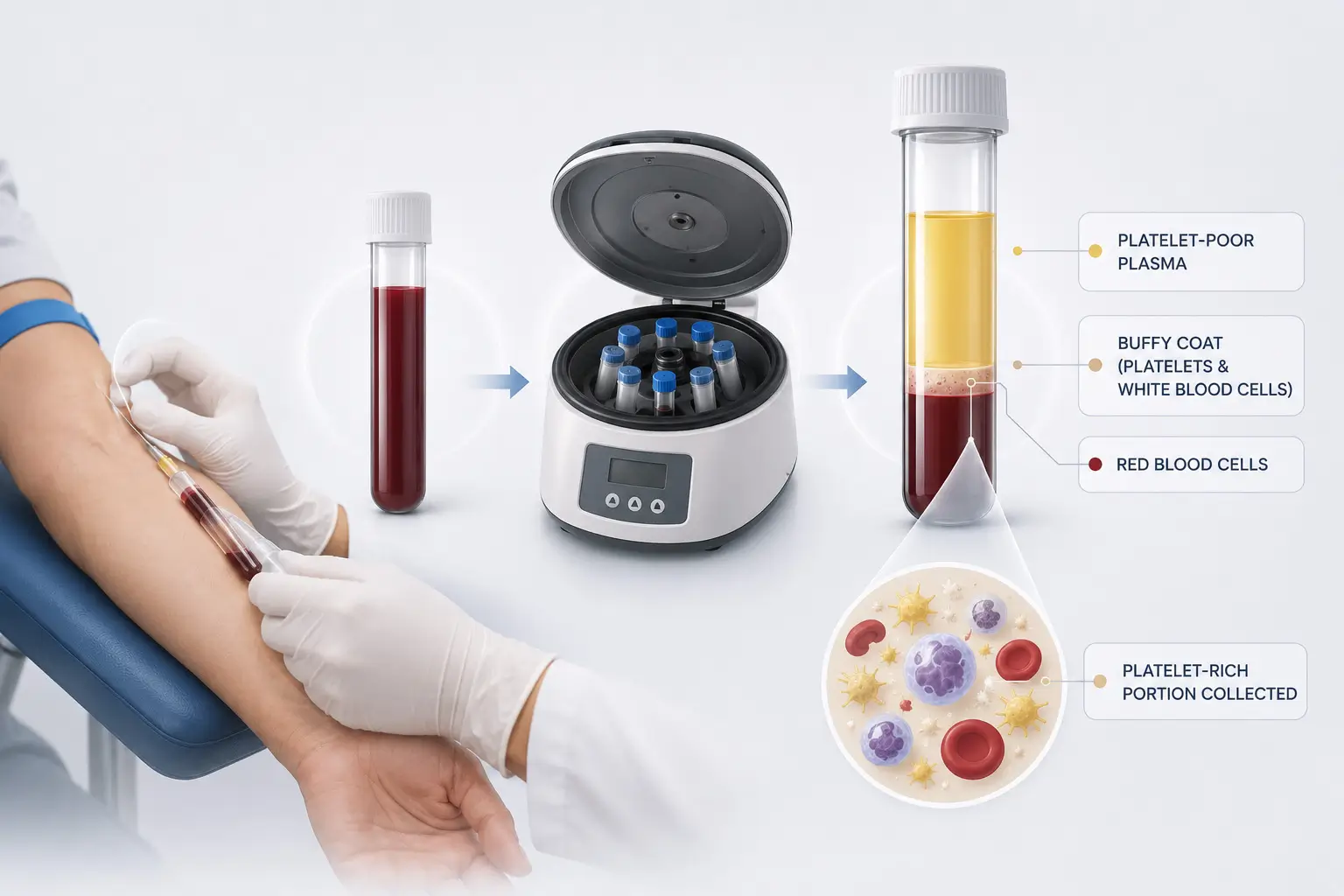
PRP is produced by separating whole blood into three layers:
- Red blood cells
- Buffy coat, made up of platelets and white blood cells
- Platelet-poor plasma
Karli Health carefully collects the platelet-rich portion and customizes the preparation according to the physician’s treatment plan.
What Makes Karli Health’s PRP Different?
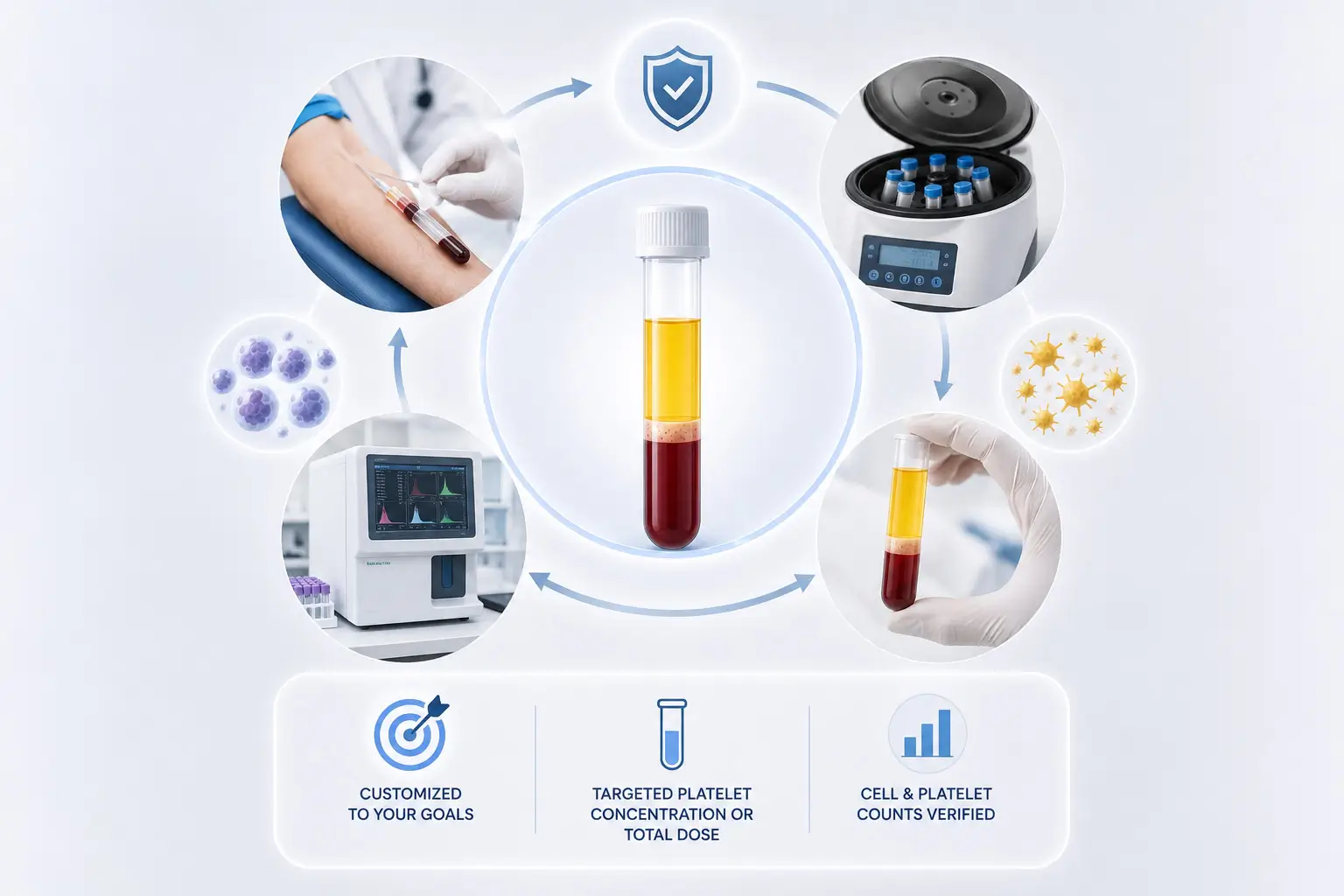
Karli Health does not take a one-size-fits-all approach to PRP. The preparation can be customized to target a specific platelet concentration or total platelet dose. The team measures cell and platelet counts to verify that the finished product is within the intended treatment parameters.
Common Areas PRP Is Used
Joint Pain
Tendon Injuries
Ligament Injuries
Sports Injuries
Hair Restoration
Regenerative Aesthetics
Sexual Health & Dysfunction
What the PRP Procedure Involves
A typical PRP procedure begins with a small blood draw. The sample is processed in a centrifuge to concentrate the platelets. The PRP is then injected into the treatment area, often using ultrasound or fluoroscopic guidance for accurate placement.
Patient Eligibility
PRP therapy is not the right fit for every patient or every condition. Candidacy depends on diagnosis, symptoms, imaging findings, prior treatments, medications, goals, and physician evaluation.
Cost and Insurance
PRP cost depends on the condition being treated, the number of injections needed, and the complexity of the procedure. Regenerative medicine procedures, including PRP, are generally not covered by insurance.
FAQ
PRP therapy uses concentrated components from a patient’s own blood, especially platelets, to support repair signaling and healing response.
Yes. PRP is autologous, meaning it is created from your own blood.
The procedure typically takes about one to one and a half hours from blood draw to injection.
PRP may be evaluated for joint, tendon, ligament, and sports-related concerns depending on diagnosis and physician assessment.
Regenerative medicine procedures, including PRP, are generally not covered by insurance.
Considering PRP Therapy?
Schedule a consultation with Karli Health to learn whether PRP or another regenerative medicine option may be appropriate for your condition, goals, and overall health.