


Umbilical Cell Therapy in Miami
Umbilical cell therapy is a donor-derived regenerative medicine option using cells sourced from umbilical cord tissue or cord blood collected after a healthy live birth. At Karli Health, eligibility is evaluated by a licensed physician with attention to safety, sourcing, consent, and Florida law.

What Is Umbilical Cell Therapy?
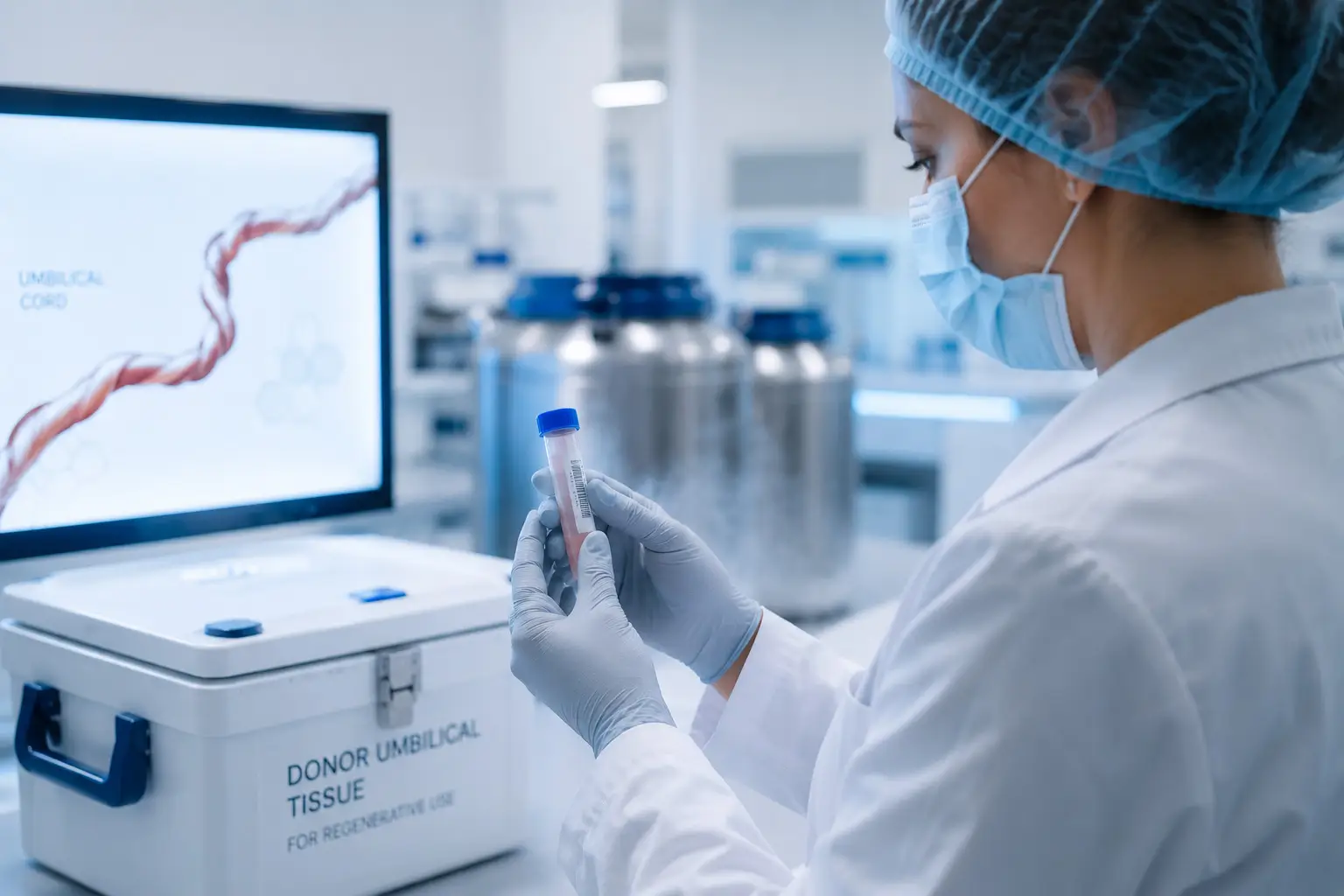
Umbilical cell therapy uses donor-derived cells from umbilical cord blood or tissue. These are considered afterbirth or perinatal sources and are collected after a healthy live birth, with no impact on the mother or baby after delivery.
What Are Umbilical Cord Cells?
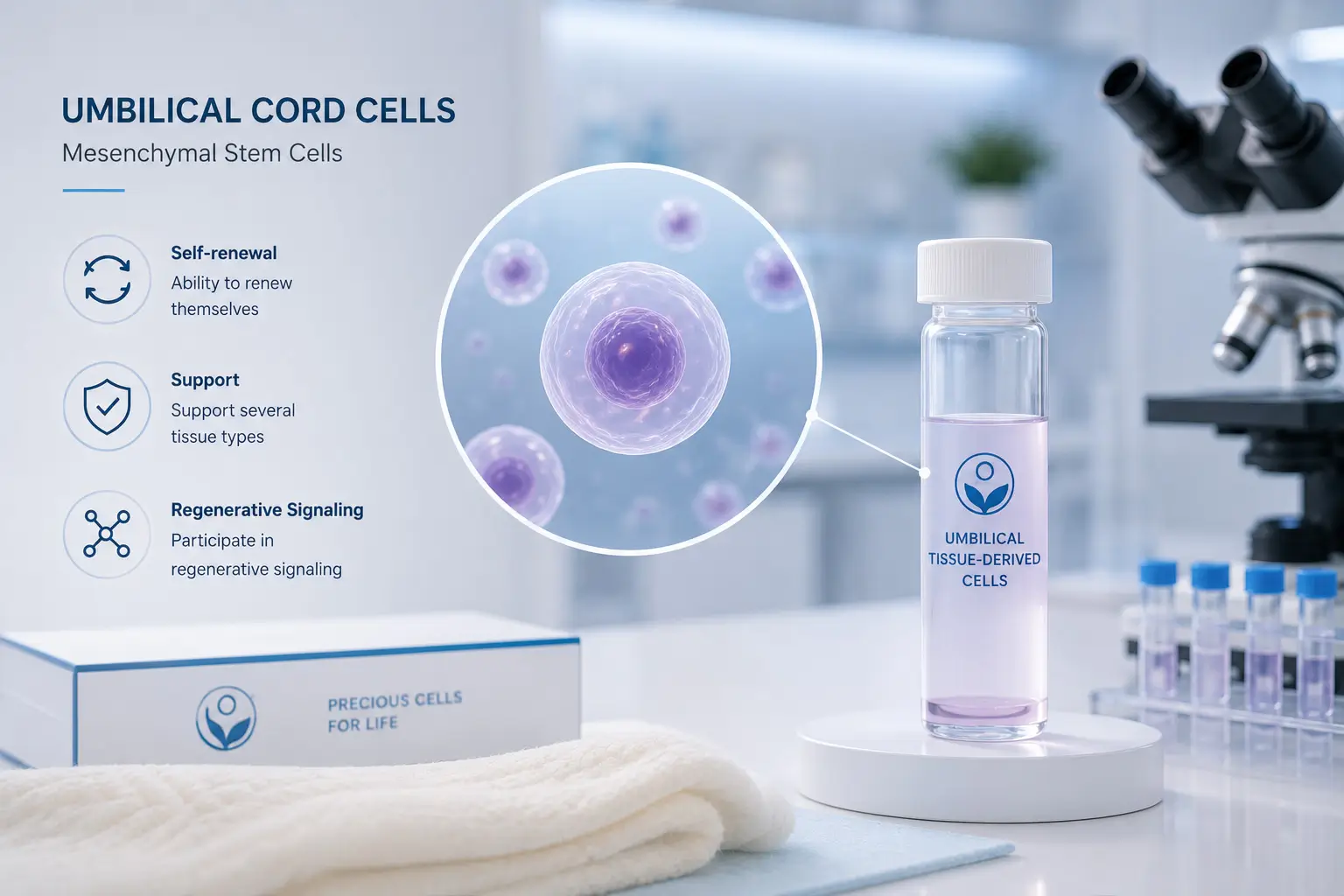
The umbilical cord connects the developing baby to the placenta during pregnancy. Certain umbilical cord-derived cells, including mesenchymal stem cells, are studied for their ability to renew themselves, support several tissue types, and participate in regenerative signaling.
How Umbilical Cells Differ From Autologous PRP and BMC
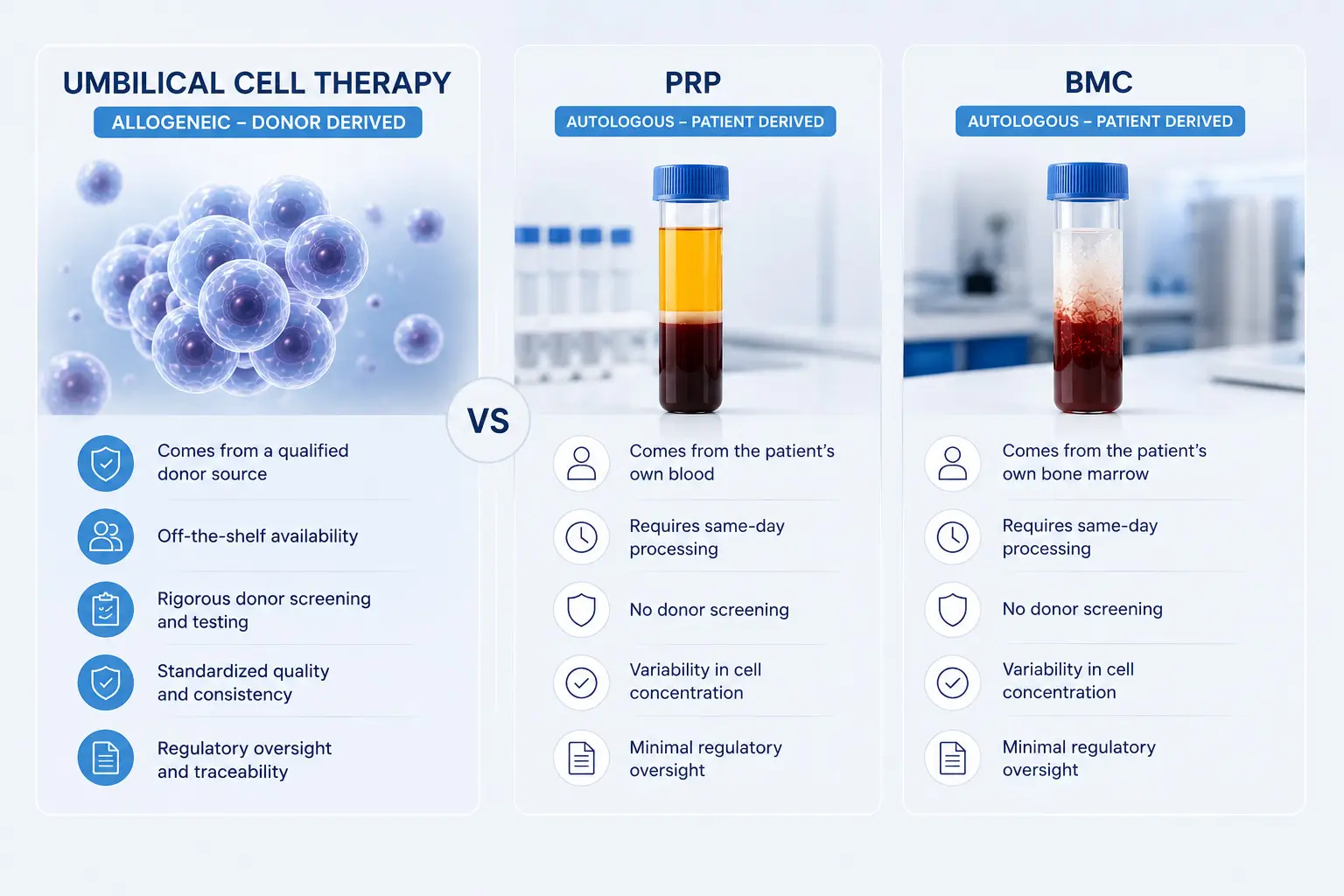
PRP and BMC are autologous therapies, meaning they come from the patient’s own body. Umbilical cell therapy is allogeneic, meaning the cells come from a qualified donor source. That distinction matters for safety, sourcing, screening, consent, and regulatory review.
Common Evaluation Areas
Orthopedic Conditions
Joint Injuries
Tendon & Ligament Damage
Osteoarthritis
Pain Management
Wound Care
Florida Law and Permitted Use
Florida law allows licensed physicians to offer certain non-FDA-approved donor-based stem cell therapies when specific safeguards are met. The permitted categories include orthopedic conditions, wound care, and pain management.
Safety, Sourcing, and Manufacturing Standards
Umbilical cell products should come from ethically sourced materials and qualified facilities. Karli Health’s position is to work only with suppliers that meet FDA registration, accreditation, cGMP standards, and provide verified cell information, including post-thaw viability.
What Patients Should Ask
Before considering umbilical cell therapy, patients should ask where the cells come from, how the donor material was screened, which facility processed and stored the cells, whether post-thaw viability data is available, and what risks, benefits, limitations, and alternatives should be considered.
Patient Eligibility
Umbilical cell therapy is not appropriate for every patient. Eligibility depends on diagnosis, condition category, medical history, prior treatments, imaging, goals, safety review, and physician evaluation.

FAQ
Umbilical cell therapy is a donor-derived regenerative medicine option using cells sourced from umbilical cord blood or tissue after a healthy live birth.
No. It is allogeneic, meaning the cells come from a donor source rather than from your own body.
No. Karli Health’s current site states that these are not embryonic stem cells.
Florida law permits certain non-FDA-approved stem cell uses for orthopedic conditions, wound care, and pain management.
Patients must be clearly informed when a therapy is not FDA-approved, including the knowns, unknowns, risks, benefits, and alternatives.
Considering Umbilical Cell Therapy?
Schedule a consultation with Karli Health to learn whether umbilical cell therapy, PRP, BMC, MUSE cell therapy, exosome therapy, or another regenerative option may be appropriate for your condition and goals.