


MUSE Cell Therapy in Miami
MUSE cells, short for multilineage-differentiating stress-enduring cells, are an emerging area of regenerative medicine research. At Karli Health, MUSE cell therapy is evaluated through a physician-led process focused on patient eligibility, safety, sourcing, informed consent, and treatment goals.These cells are being studied for tissue repair, stress tolerance, immunomodulation, and regenerative medicine applications. We're tracking our own data regarding dosing and patient reported responses via both injections and IV applications in parallel with all emerging animal and human studies.
What Are MUSE Cells?
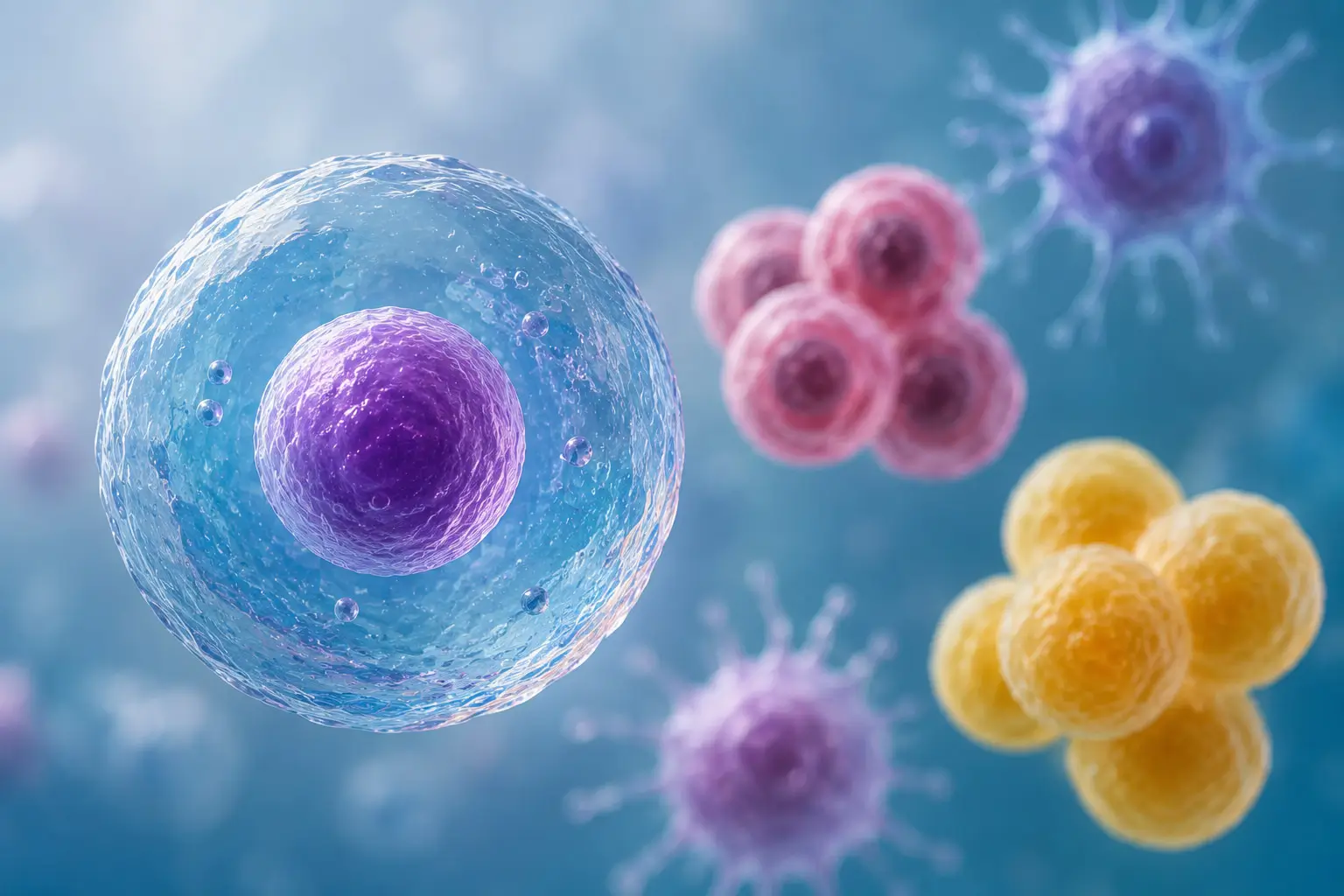
MUSE cells are a specialized cell population being studied in regenerative medicine. The name stands for multilineage-differentiating stress-enduring cells, reflecting their ability to tolerate cellular stress and participate in repair signaling.
Why MUSE Cells Are Getting Attention
MUSE cells are gaining attention because they are being studied for properties that may be relevant to tissue repair, injury response, cellular stress, inflammation signaling, and regenerative recovery. They are not the same as PRP, BMC, exosomes, or traditional umbilical cell products.
How MUSE Cells Differ From Umbilical Cell Therapy
Umbilical cell therapy refers to donor-derived cells from umbilical cord blood or tissue. MUSE cell therapy refers to a more specific cell sub-population within the mescenchymal stem cell identified by distinct biological characteristics.
How MUSE Cells Differ From Umbilical-Derived Stem Cells
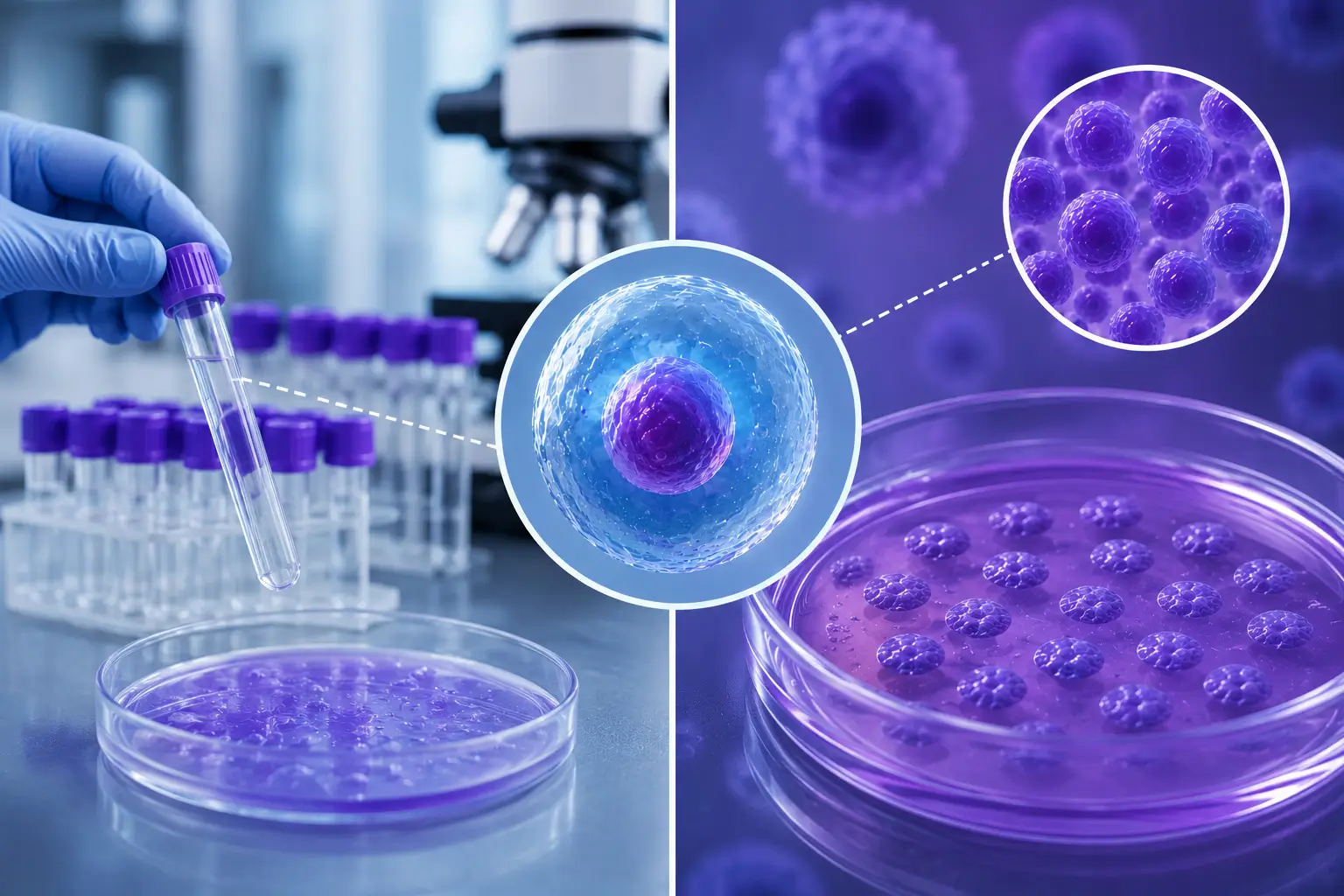
MUSE cell therapy and Umbilical cell therapy are both donor-derived regenerative medicine options, but they are not the same.
MUSE cells
short for multilineage-differentiating stress-enduring cells, are a more specific stress-enduring cell population being studied for their ability to survive cellular stress, respond to injury signals, and participate in tissue repair communication.
Umbilical MSCs
Sourced from umbilical cord tissue, Wharton’s jelly, or related perinatal tissue collected after a healthy live birth. These cells are commonly discussed in regenerative medicine because of their signaling activity, immune-modulating properties, and tissue-supportive potential.
The difference matters because the two therapies may differ in cell source, cell characteristics, processing, mechanism of action, safety documentation, regulatory considerations, and clinical use. At Karli Health, donor-derived options are evaluated individually based on the patient’s condition, goals, medical history, safety review, and physician assessment.
Potential Evaluation Areas
Orthopedic Conditions
Pain Management
Tissue Repair and Signaling
Inflammation Response
Recovery Support
Florida Law and Donor Cell Therapy
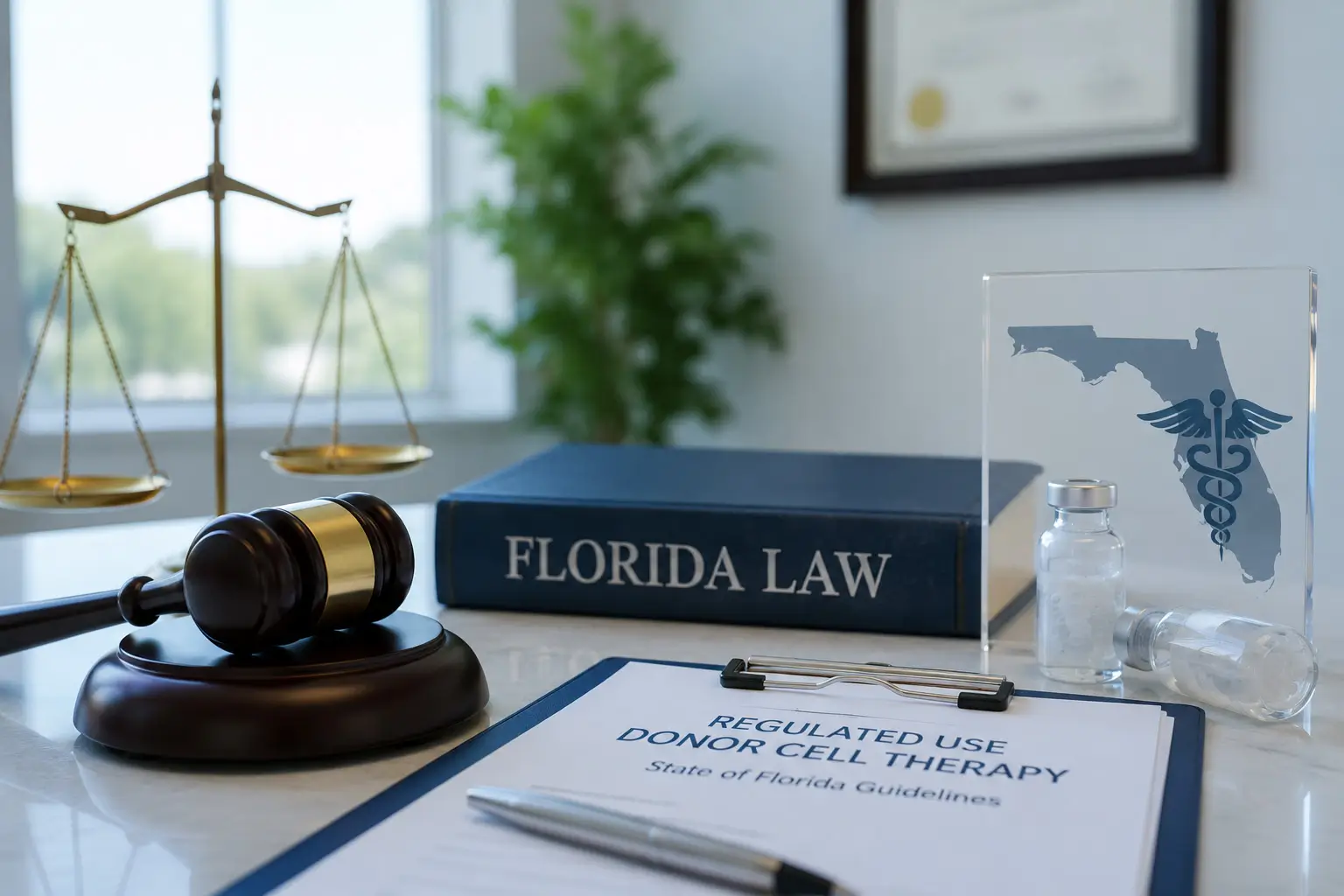
While the FDA has not approved donor stem cell therapies, the Florida state legislature approved the regulated use of these types of cells. At Karli Health we follow the Florida Law's guidelines and regulations allowing qualified MDs and DOs to appropriately administer donor stem cell therapies.
Safety, Sourcing, and Screening
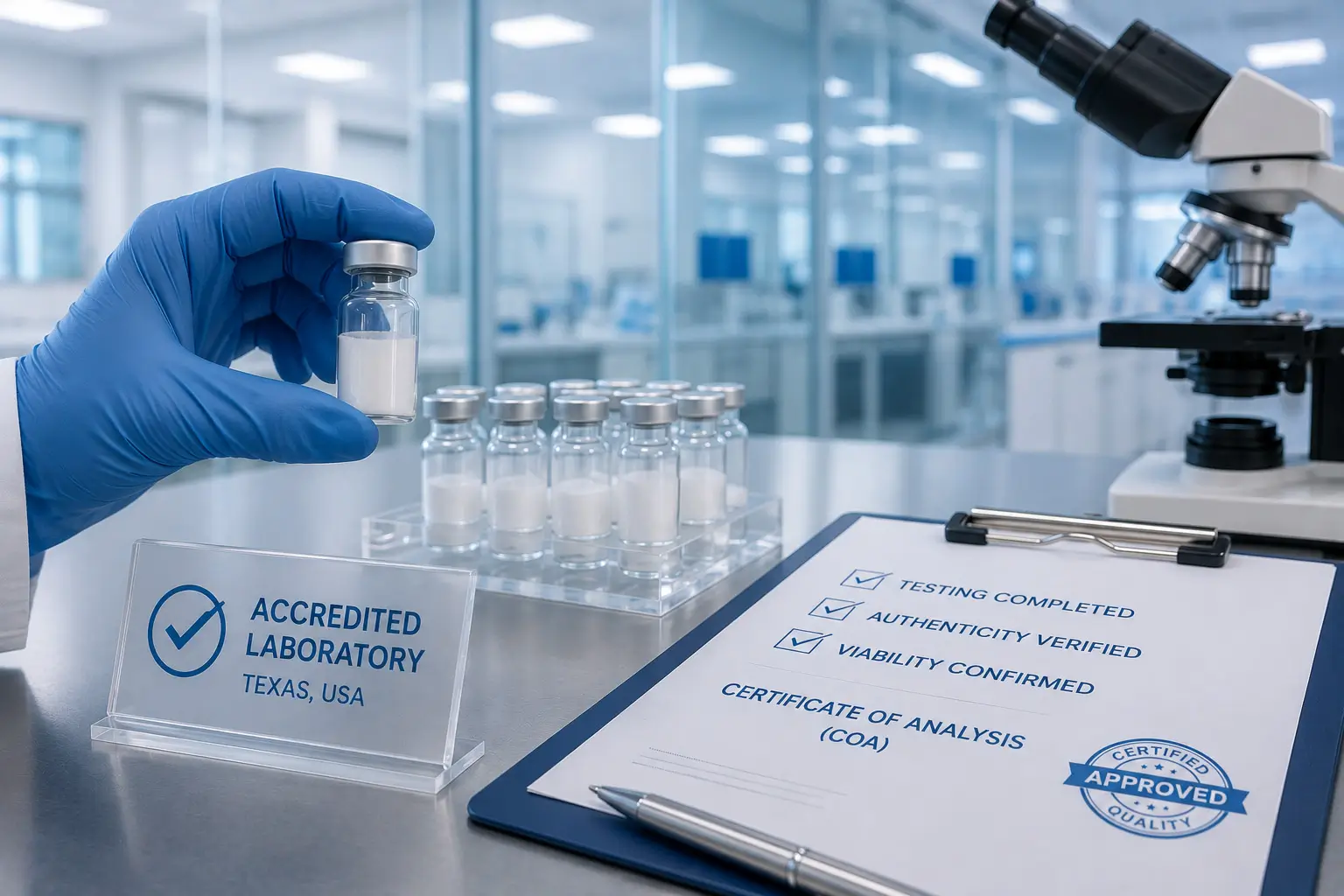
Karli Health works directly with the team that manufactures and distributes Dazawa MUSE Cells. They're safely manufactured and sourced from an accredited laboratory in Texas. All testing, authenticity and of authenticty and viability certificates are received with our tissue samples. You will discuss all risks, benefits, and expected outcomes with your treating physician.
Who May Be a Candidate?
MUSE cell therapy is not appropriate for every patient. Candidacy depends on diagnosis, condition category, medical history, prior treatments, your goals, safety review, and physician evaluation.

The Karli Health Difference
Karli Health is not a trend-driven clinic. The team evaluates regenerative options through physician and scientific oversight, biologic rationale, safety documentation, informed consent, and ongoing outcomes tracking. Dr. Karli and his scientific team are at the forefront of regenerative medicine, but innovation never comes at the expense of patient safety. Every therapy is evaluated with careful scientific review, physician oversight, and the patient’s best interest at the heart.

FAQ
What does MUSE stand for and what are they?
- MUSE stands for multilineage-differentiating stress-enduring cells. MUSE cells are not a marketing term or a passing wellness trend. They are a specific cell population first reported in 2010 by Dr. Mari Dezawa and her research team at Tohoku University in Japan.
- These cells represent a small, specialized subset within mesenchymal stem/stromal cell populations and are being studied for unique regenerative characteristics, including stress tolerance, injury-signal response, self-renewal, multilineage differentiation potential, and tissue repair communication.
- What makes MUSE cells especially interesting is their ability to endure difficult cellular environments — the kind often present around injured, inflamed, ischemic, or degenerative tissue. Over the past decade, Dr. Dezawa and other research groups have studied MUSE cells across a range of regenerative medicine applications, including tissue repair, neurologic injury, cardiac injury, immune signaling, inflammation response, and recovery biology.
- At Karli Health, MUSE cell therapy is approached with both scientific curiosity and clinical caution. While the research is promising, patient safety, appropriate sourcing, regulatory considerations, informed consent, and physician-led evaluation remain at the heart of every treatment decision.
Are MUSE cells the same as umbilical cells?
- No. While they are both derived from donor cells, Umbilical cell therapy refers to specific cells from umbilical cord blood or tissue. MUSE cells are a specific cell population being studied for distinct regenerative characteristics that are a subset and small portion of mescenchymal stem cells.
Are MUSE cells the same as exosomes?
- No. MUSE cells are cells. Exosomes are extracellular signaling vesicles released by cells.
Why are patients asking about MUSE cell therapy?
- MUSE cells are receiving attention because they are being studied in regenerative medicine for tissue repair signaling, cellular stress response, and recovery-related applications.
- MUSE cells are gaining attention because they may represent a more refined donor-cell approach — not simply more cells, but a more specific cell population with distinct regenerative behavior. At Karli Health we ask science the hard questions - why do they work and equally as important, why don't they work. We're applying our dose-response relationship approach and tracking all patient reported outcomes in our approximate 10,000+ treatment-based database.
- They have great promise. and we're happy to contribute to their scienctific relevancy.
Who is a candidate for MUSE cell therapy?
- For some patients, the goal is to explore a non-surgical option. For others, it may be to support recovery, improve function, or delay more invasive procedures when medically appropriate. Candidacy depends on medical history, symptoms and diagnosis, prior treatments, medications, safety review, and Dr. Karli’s evaluation
Is MUSE cell therapy FDA-approved?
- MUSE cell therapy is not FDA-approved for orthopedic conditions, wound care, or pain management.
- At Karli Health, MUSE cell therapy is offered only when permitted under Florida law and only after a physician-led evaluation. Florida law allows licensed physicians to perform certain non-FDA-approved stem cell therapies when they are within the physician’s scope of practice and related to orthopedics, wound care, or pain management.
- Karli Health’s approach is safety-first. Before treatment, patients receive clear informed consent explaining that the therapy is not FDA-approved, that outcomes cannot be guaranteed, and that the potential risks, benefits, limitations, and alternatives should be understood before proceeding.
Considering MUSE Cell Therapy?
Schedule a consultation with Karli Health to learn whether MUSE cell therapy or another regenerative medicine option may be appropriate for your condition, goals, and overall health.